
Why We’re Sharing This
TWS Technology ESS has just returned from the Intersolar Africa 2026 trade fair in Nairobi. After two days of high-level discussions with local partners and policymakers, it is clear that the energy conversation in Kenya has reached a turning point.
We are no longer just talking about “green energy”—we are talking about industrial survival. Below are the key intelligence points we gathered from the ground, along with the real-world solutions we are already deploying across the continent.
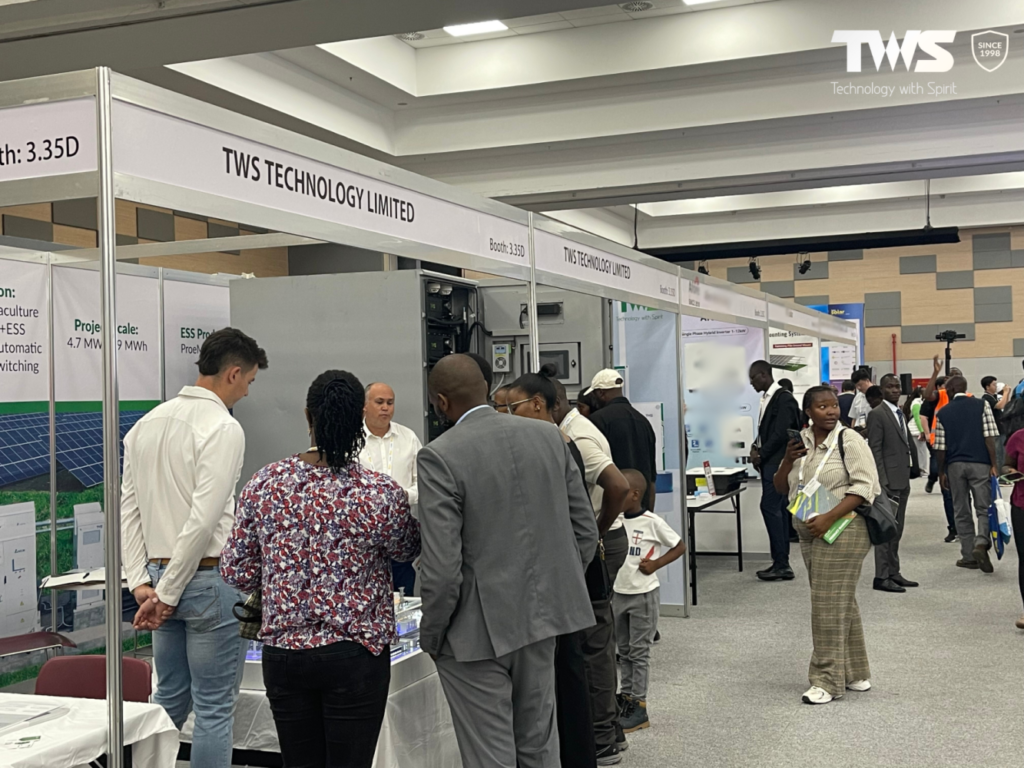
1. The “Non-Optional” Reality
One critical takeaway came from the opening session. Daniel Kiptoo Bargoria(Director General of EPRA) and Alex Kamau (Principal Secretary for Energy) delivered a joint message that set the tone for the industry:
“Energy storage systems are no longer optional. They are essential for balancing demand and strengthening grid reliability.”
Our Perspective: We are seeing this demand firsthand. In South Africa, our successful PV+storage projects—such as a 3727kWh system for an ostrich farm—are already providing “black-start” and off-grid capabilities, ensuring that frequent grid shortages do not stop production.
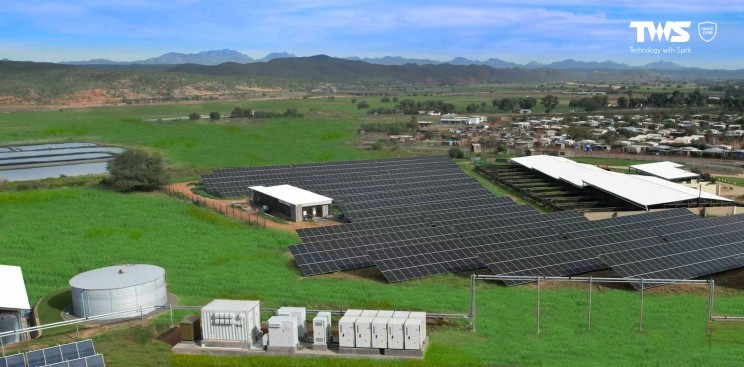
TWS Technology’s 3727 KWH system in South Africa
2. The Data: Why Now?
Official reports from the show highlight a gap: Kenya’s decentralized solar market (C&I and mini-grids) has already surpassed 200 MW, yet grid-connected solar accounts for only 6.5% of installed capacity.
The Gap: The grid needs private investment to scale battery storage (BESS) to handle this decentralized growth.
TWS Solution: For high-stakes industries like Aquaculture, we provide a specialized liquid-cooling solution that ensures stable power in high-heat environments. These systems are proven; our African projects have maintained a battery degradation rate of only 1% after the first year, ensuring long-term electricity cost reduction.
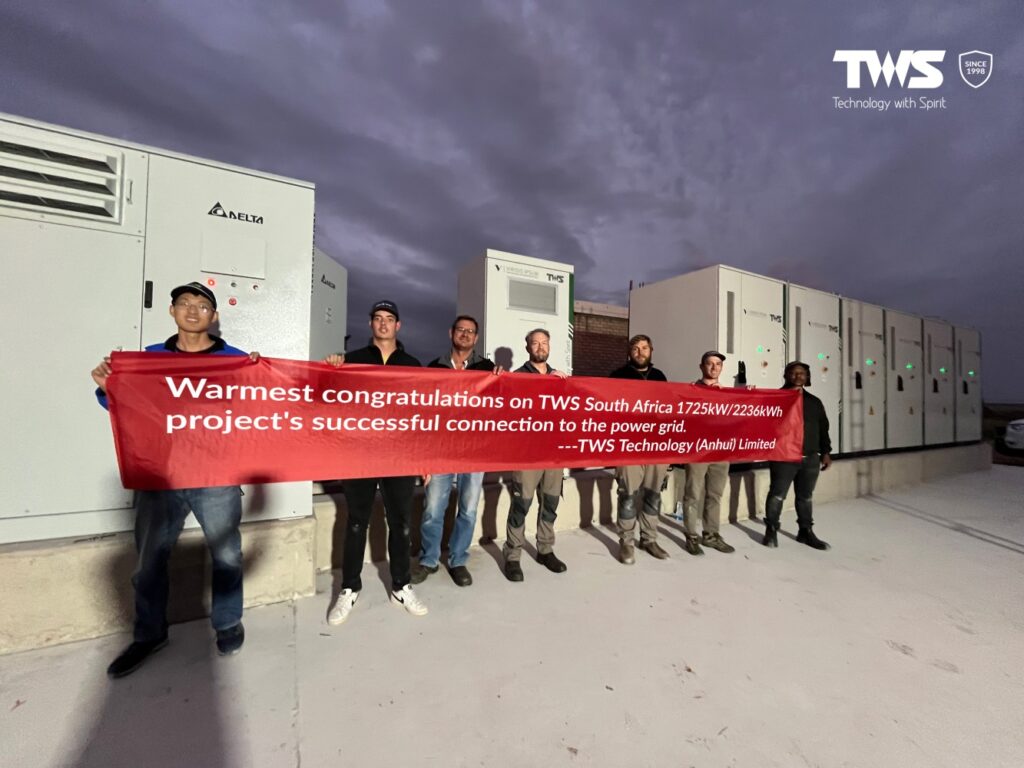
TWS Technology’s Aquaculture Project in South Africa
3. The Shift to “Microgrid Autonomy”
With over 100,000 mini-grid customers in Kenya, the trend is moving toward independent, reliable power.
Diesel Displacement: Partners at the show noted that businesses are desperate to escape the “Diesel Trap.” By integrating our microgrid systems (PV + Storage + Diesel), our clients are stabilizing their power supply while significantly reducing their operational expenses.
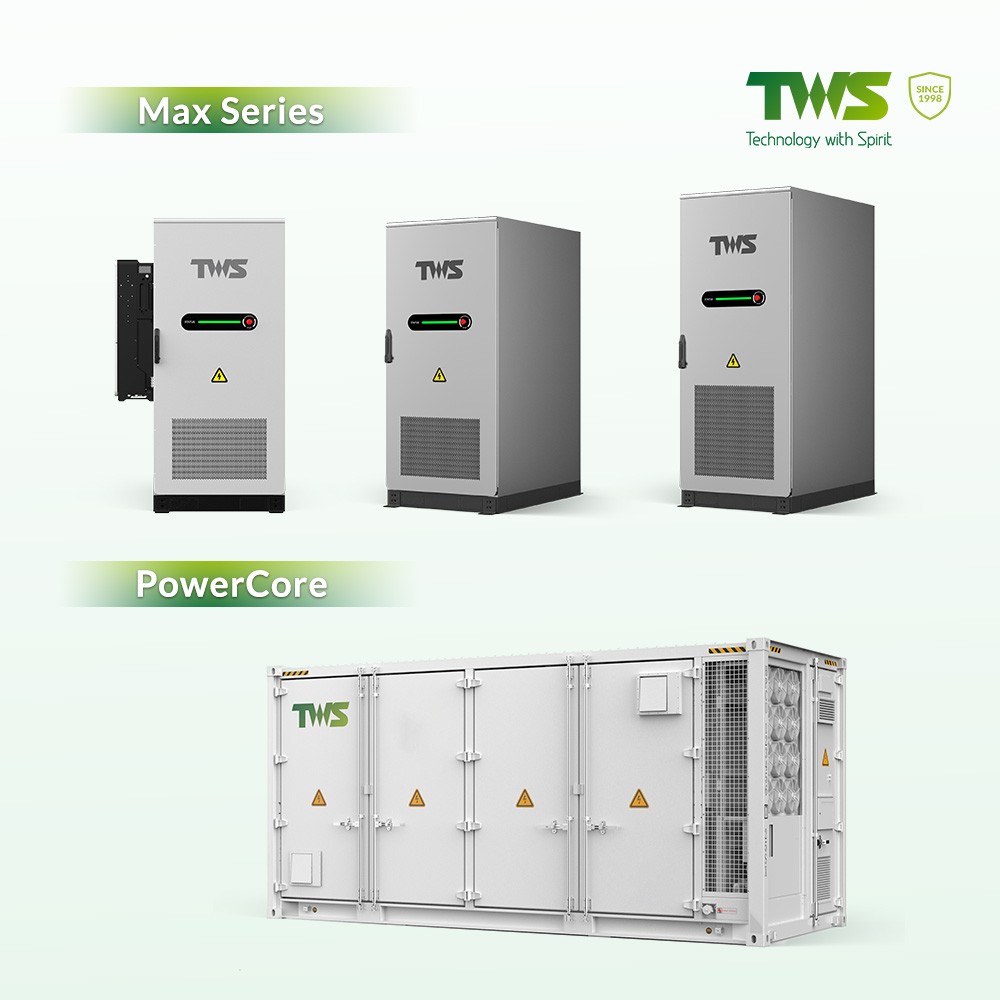
Built for the Environment: Our liquid-cooling solution for the PowerCore and Max Series was a major talking point. It is engineered specifically for the up to 50 °C reality of tropical operations, preventing the early failure often seen with standard air-cooling systems. In addition, the IP 55 ingress protection and C-4 anti corrosion further safeguards our clients’ operations in humid and dusty environments.
The Bottom Line
The “next chapter” for Kenya is about resilience. Whether it is stabilizing a commercial farm, a factory or powering a remote mine, TWS Technology is here to ensure your energy strategy is a driver of growth, not a bottleneck.
Are you ready to move beyond “backup” and into true energy independence? Contact us to discuss how our expertise can help optimize your 2026 energy plan.