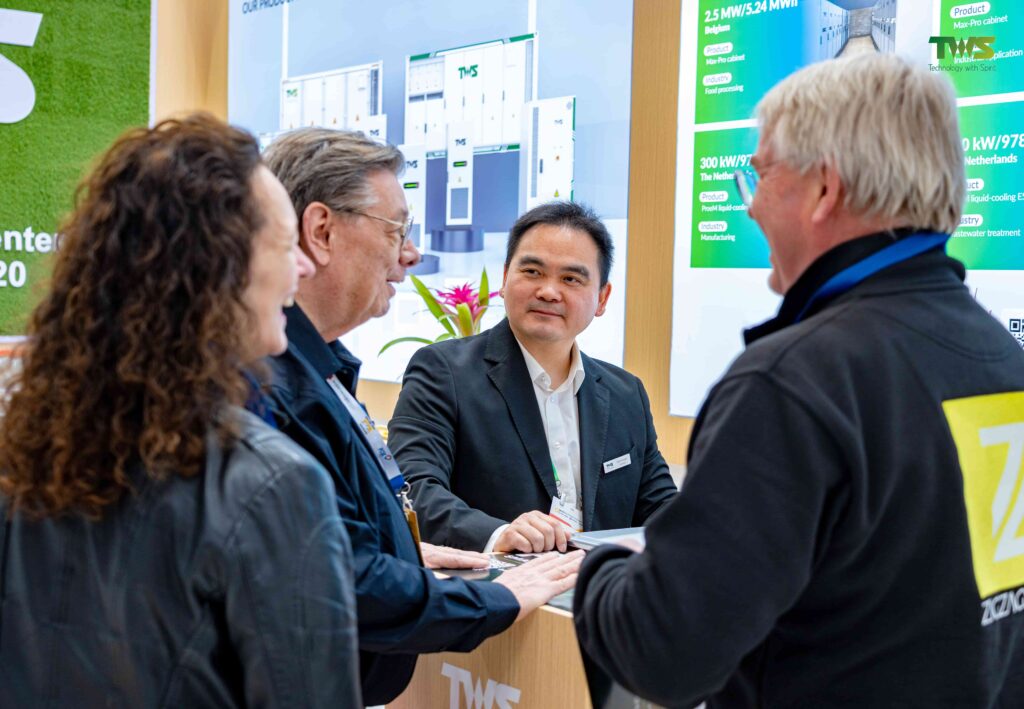
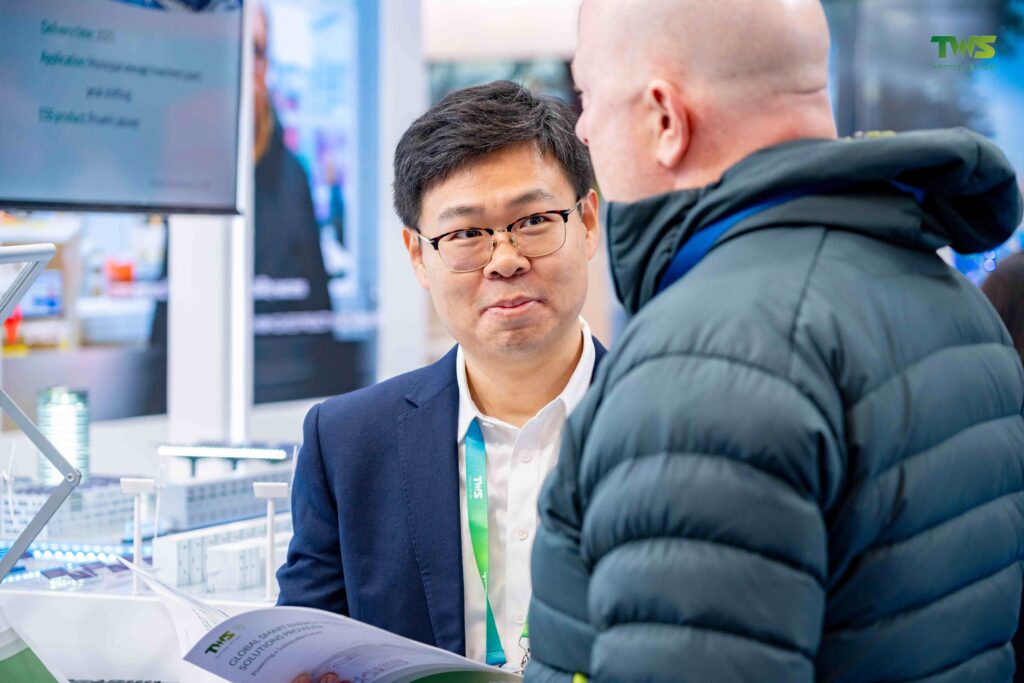
Last week (March 10-12) at Solar Solutions Amsterdam, the atmosphere was dominated by a dual sense of dynamics: the legal implementation of the new Energy Act (Energiewet) and the escalating volatility in the global energy market due to instability in the Middle East and Gulf regions.
Since January 1, 2026, the 1998 Electricity Act has been officially replaced. For Dutch businesses, the focus has reached beyond simple efficiency; the market is looking for a fortress against instability. The conversation has moved beyond sustainability toward Resilience: financial, operational, and strategic.
The 2026 Regulatory Reality: New Tools for Grid Flexibility
The “First Come, First Served” era has evolved. The Energiewet introduces structural changes that allow for smarter utilization of the existing grid through collective and physical sharing models:
Group Transport Agreements (GTA)
This model allows entities in a congested area—such as industrial parks or logistics hubs—to share a single contracted transport capacity. By coordinating the combined peaks of different members (e.g., a data center’s steady load paired with a charging station’s intermittent spikes), a group can maintain its collective load within agreed limits. This allows participants to bypass years of waiting for individual grid upgrades.
Cable Pooling (Connection Sharing)
Multiple facilities in close proximity (such as wind farms, PV parks, and standalone BESS) can now legally share a single physical grid connection. Since wind and solar rarely peak at the same time, this “behind-the-meter” optimization turns previously “unviable” projects into reality by maximizing the utilization of a single connection point.
Energy Autonomy: The Rise of the “Active Customer”
The most fundamental change in the 2026 Act is the transition for entrepreneurs from passive consumers to Active Customers.
Property owners now hold the legal right to generate, store, and trade energy directly. Businesses are no longer tethered to the traditional permissions or barriers of a single energy supplier. This new autonomy facilitates Peer-to-Peer (P2P) trading, allowing for the direct sale of surplus energy to neighbors or through aggregators. This shifts energy management from a fixed overhead into a dynamic, controllable revenue model.
Geopolitical Resilience and Market Defense
Considering the ongoing uncertainty in the Middle East and the resulting price surges, this autonomy is a strategic necessity. A BESS provides the quality resilience required to lock in energy costs and ensure stable power assurance. By operating as Active Customers, companies can insulate themselves from global supply risks, using stored energy to avoid peak market rates triggered by international conflict.
Proven Success in the Dutch Market
TWS Technology has already successfully deployed multiple benchmark projects across the Netherlands that align with these 2026 shifts:
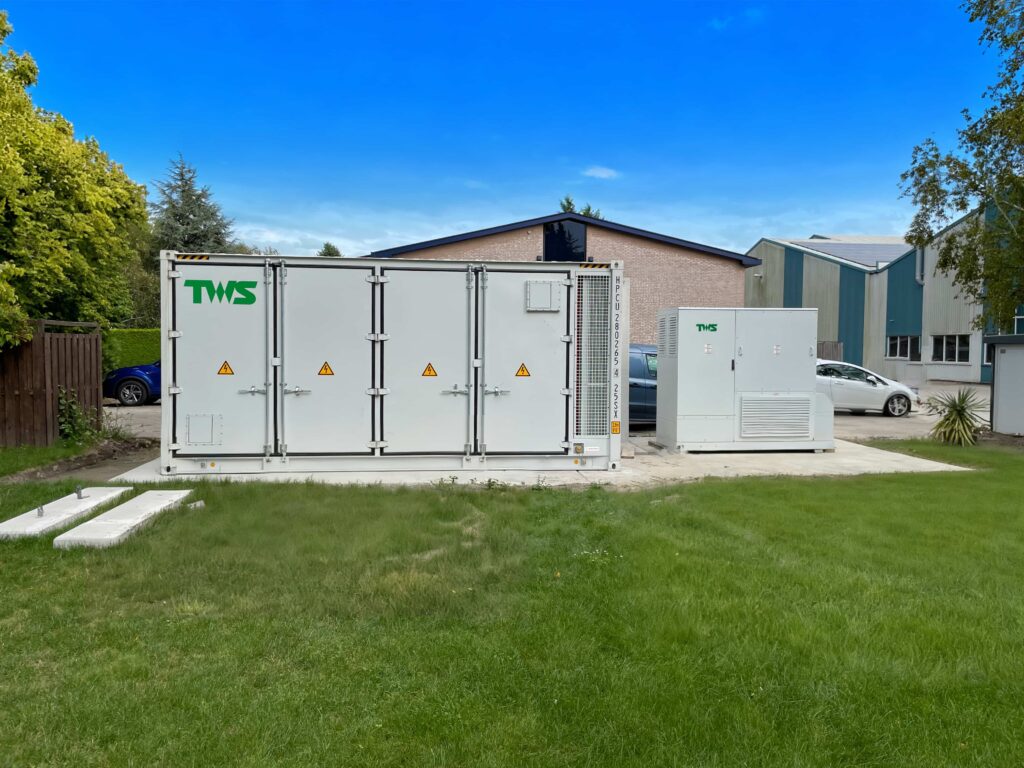
Modern Agriculture (Floriculture)
PowerCore systems provide greenhouses with the autonomy to store critical backup power, ensuring high-value crops are protected from both grid instability and market volatility
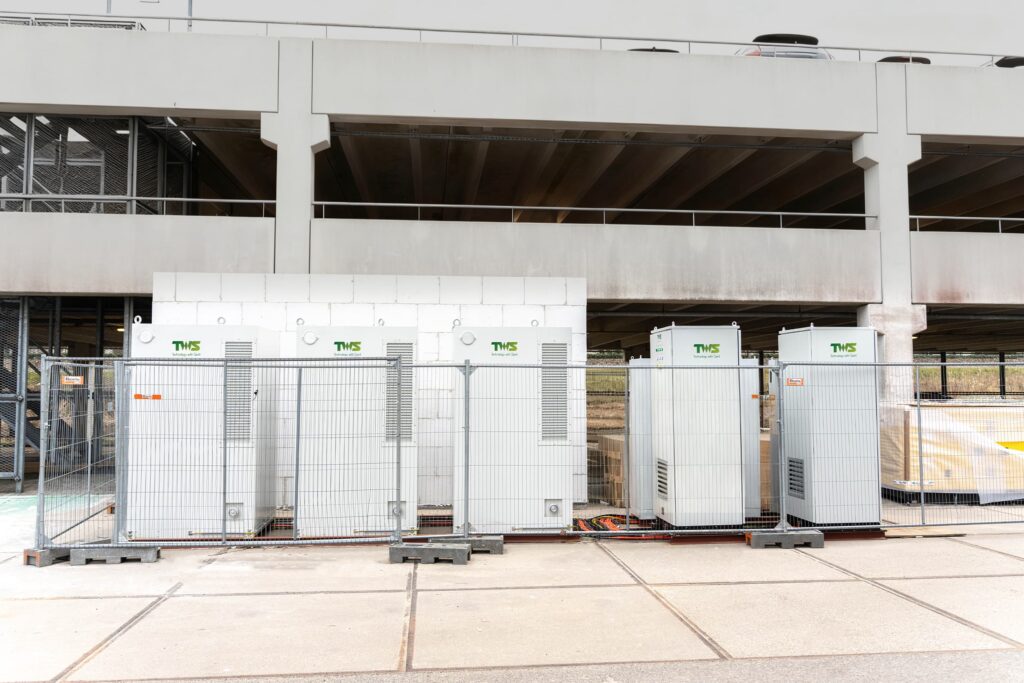
Industrial Manufacturing
TWS helps manufacturers achieve financial resilience by optimizing loads and providing the reliability required for continuous 24/7 operations.
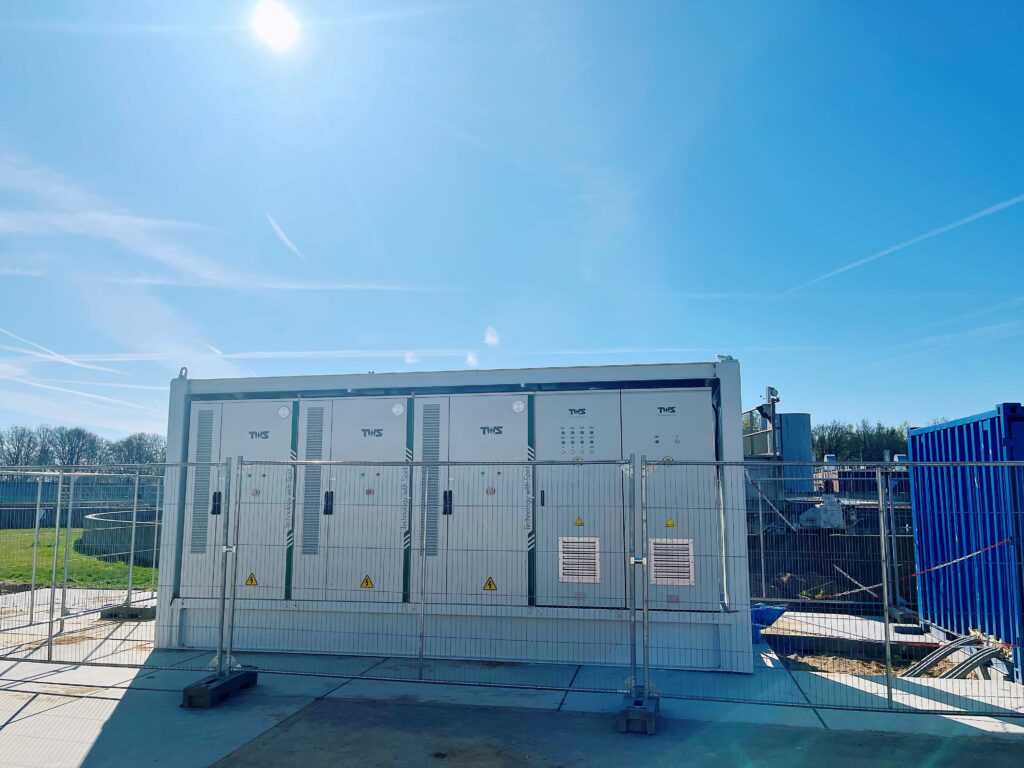
Public Infrastructure:
From government upgrades to wastewater treatment, these solutions ensure 24-hour stability regardless of external market or grid conditions.
With the EIA (Energy Investment Allowance) budget increased to €460 million for 2026, businesses can deduct 40% of the investment costs while asserting their legal right to energy independence.
Take Control of the Energy Future
The rules of the 2026 Dutch energy market have changed, and Resilience is the new standard. Whether looking to navigate Active Customer rights, explore Cable Pooling, or protect a facility from global market surges, TWS Technology provides the expertise to guide this transition.
CONTACT: For more market insights or further inquiries, email infoess@tws.com.